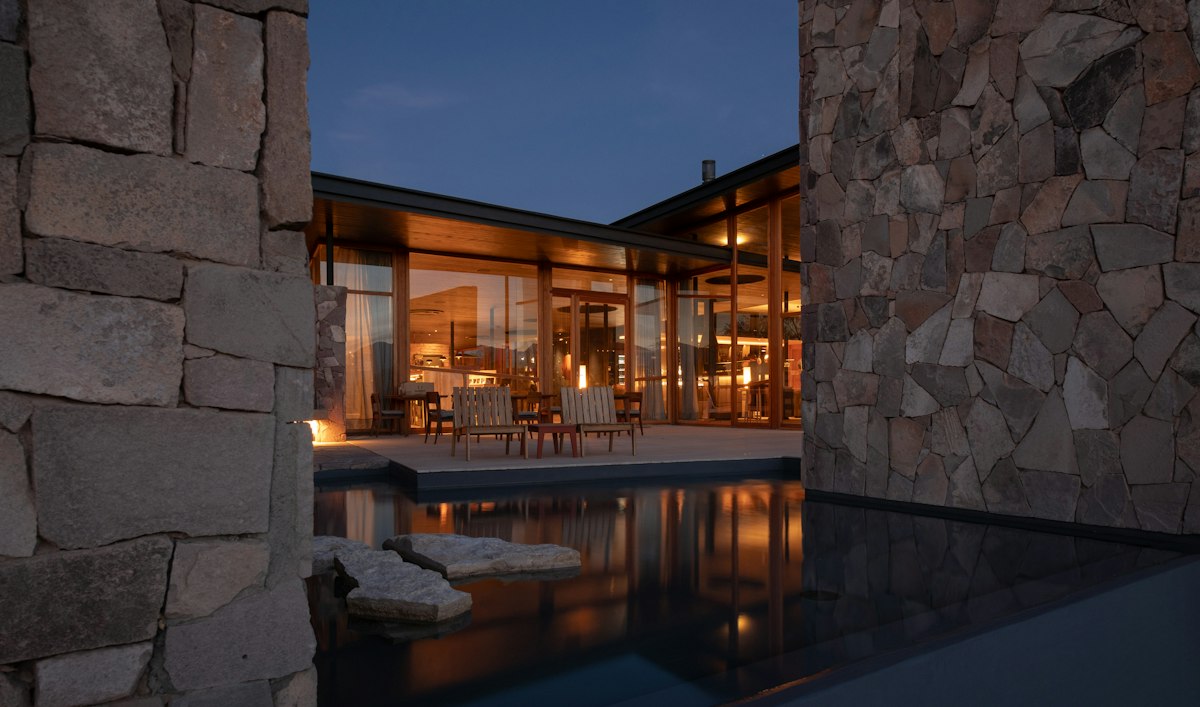
Defining the Standard for the Luxury Homes of Today
Purchasing a high-end property is rarely just about finding a place to sleep. It is an exercise in lifestyle curation, a strategic financial move, and a search for a sanctuary that reflects personal values. When we discuss the luxury homes currently dominating the market, we are looking at a fusion of cutting-edge technology, architectural daring, and an uncompromising focus on wellness.
The market has moved past the era where a high price tag alone qualified a property as elite. Today’s buyers are more discerning, prioritizing the "invisible" luxuries—like air filtration systems, acoustic engineering, and seamless automation—over mere square footage. Understanding these nuances is essential for anyone looking to enter this competitive space, whether as an investor or a homeowner.
Related posts
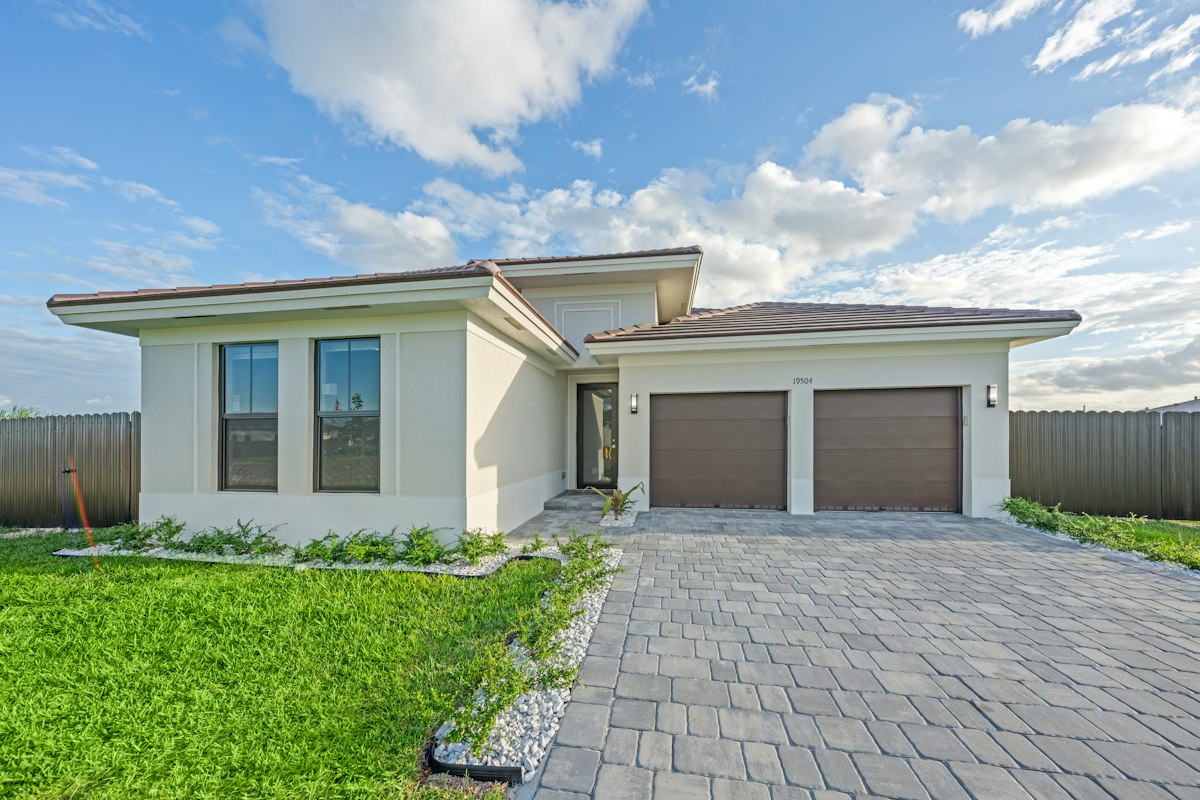
Strategies for Selling Residential Property at Top Market Value
Selling residential property is often the most significant financial transaction you will ever manage. It is a process...
Read more →
Understanding the Value of Residential Property: A Practical Guide for Homeowners and Investors
Determining the exact value of residential property is one of the most important financial steps you will take,...
Read more →
Strategic Advantages of Buying a House with Cash: A Complete Overview
Imagine walking into a real estate negotiation without the looming shadow of a mortgage underwriter. For many, buying...
Read more →Finding the Right Retreat: A Comprehensive Look at Cabins for Sale
Searching for cabins for sale often starts as a romantic endeavor. You imagine a quiet morning on a...
Read more →This analysis explores the evolving characteristics of premium real estate, the shift toward sustainable grandeur, and the practical considerations of maintaining such significant assets. We will examine what truly makes a property stand out in a crowded global market and how the concept of "home" is being redefined by the world's most innovative architects and designers.
Key takeaways
- Modern luxury emphasizes experiential value and wellness-centric design over traditional displays of wealth.
- Privacy and security remain the highest priorities, often driving the demand for off-market or "pocket" listings.
- Sustainable building materials and energy-efficient systems are no longer optional but expected features in high-value properties.
- The investment value of a premium home depends heavily on its adaptability to future technological integrations.
The Evolution of Grandeur in Modern Architecture
In previous decades, the hallmark of a high-end residence was often its sheer scale. Large, echoing halls and ornate gold-leaf finishes were the standard. However, the current trend for the luxury homes favors a concept often called "quiet luxury." This movement focuses on high-quality materials, understated elegance, and a seamless connection between indoor and outdoor spaces. It is about the tactile feel of a hand-carved stone countertop or the way natural light hits a custom-engineered timber frame.
Architects are now using biophilic design to bridge the gap between nature and the living room. This involves large-scale glass walls that disappear into the floor or ceiling, indoor gardens that improve air quality, and the use of local, raw materials that ground the home in its environment. This shift is not just aesthetic; it is a response to a growing desire for homes that act as a retreat from the noise of the outside world.
The Rise of Functional Aesthetics
Functional aesthetics mean that every design choice serves a purpose beyond looking good. For example, a sculptural staircase is not just a way to move between floors; it is a piece of art that also improves the flow of air and light throughout the house. In the luxury homes, we see a move away from formal rooms that are rarely used—like the traditional parlor—toward multipurpose spaces that adapt to the owner's daily life.
Smart Integration and the Intelligent Estate
Technology in the high-end sector has moved far beyond smart light bulbs and voice-activated speakers. Today, an intelligent estate features a fully integrated ecosystem that learns the habits of its occupants. Smart home automation now includes predictive climate control, automated shading that reacts to the sun's position, and security systems that use artificial intelligence to distinguish between a neighbor and a stranger.
The infrastructure required for these systems is significant. High-speed fiber-optic cabling is woven into the very bones of the building, ensuring that there are no dead zones. For the owner, the goal is invisible technology. You should not see the wires or the hardware; you should only experience the comfort and convenience they provide. This level of integration is a major factor in the valuation of modern properties.
Security and Privacy as a Foundation
For many high-net-worth individuals, privacy is the most valuable commodity. This has led to the development of advanced security features that are integrated into the home's design. We are seeing a rise in "safe rooms" that double as high-end home theaters, biometric access points, and perimeter sensors that provide 360-degree monitoring without being intrusive. The goal is to create a fortress that feels like a sanctuary, not a prison.
Wellness-Centric Design and Private Spas
Wellness is no longer a trend; it is a core requirement for the luxury homes. The modern master suite is frequently designed as a private spa, featuring infrared saunas, cold plunge pools, and steam showers with aromatherapy integration. The focus is on recovery and rejuvenation, allowing homeowners to maintain their health without leaving their property.
Lighting also plays a major role in wellness. Circadian lighting systems adjust the color temperature of the interior lights throughout the day to match the natural rhythm of the sun. This helps regulate sleep patterns and improves overall mood. When combined with advanced air and water purification systems, the home becomes an active participant in the owner's health regimen.
The Financial Landscape of High-End Real Estate
Investing in the luxury homes requires a different financial strategy than standard residential real estate. The entry costs are higher, but so are the potential rewards. However, buyers must be aware of the ongoing costs associated with these properties. Maintenance for a high-end estate can easily cost 1% to 2% of the home's value annually. This includes specialized cleaning for delicate materials, landscaping for expansive grounds, and the upkeep of complex mechanical systems.
Insurance is another significant factor. Standard policies often fall short of covering the unique features of an elite home, such as fine art collections, custom cabinetry, or rare architectural elements. Specialized high-value homeowners insurance is necessary to protect the investment fully. Buyers should also consider the tax implications of their purchase, as luxury properties often attract higher property taxes and, in some regions, additional "mansion taxes."
Market Resilience and Appreciation
While the luxury market can be volatile, it often shows more resilience during economic downturns than the mid-tier market. This is because high-end buyers are less dependent on traditional financing and more focused on long-term wealth preservation. Properties in "trophy" locations—such as beachfronts in Malibu, penthouses in Manhattan, or estates in the Swiss Alps—tend to appreciate consistently due to the limited supply of land and the permanent demand for exclusivity.
The Buying Process and Off-Market Opportunities
Navigating the acquisition of the luxury homes often involves a hidden market. A significant percentage of high-end transactions occur "off-market," meaning the property is never listed on a public database. These are often called pocket listings. Sellers prefer this method to maintain privacy, while buyers appreciate the exclusivity it offers.
To access these properties, working with a specialized real estate broker is essential. These professionals have the networks and relationships required to find hidden gems. The negotiation process is also more complex, often involving legal teams, NDAs, and detailed inspections that go far beyond a standard home appraisal. Buyers need to be prepared for a longer due diligence period to ensure that every aspect of the property—from the structural integrity to the legal title—is flawless.
FAQ
What distinguishes a luxury home from a standard high-end property?
While price is a factor, true distinction comes from exclusivity, custom craftsmanship, and unique amenities that cannot be easily replicated. Features like professional-grade kitchens, temperature-controlled wine cellars, and integrated smart systems that manage every aspect of the environment set these properties apart. It is about the quality of the materials and the thoughtfulness of the layout rather than just the number of bedrooms.
How has the demand for home offices changed in the luxury sector?
The home office has evolved from a secondary consideration to a primary suite. In many modern estates, you will find dual offices with soundproofing, high-speed fiber-optic connectivity, and professional backdrops for virtual meetings. These spaces are now designed with the same level of detail as the main living areas, recognizing that high-net-worth individuals often manage global interests from their residence.
Is the resale value of luxury homes stable?
Generally, the high-end market remains more resilient than the broader real estate market, but it is sensitive to global economic shifts. Properties that feature timeless architecture, prime locations, and modern infrastructure tend to hold their value best. However, highly customized or "niche" designs may take longer to sell, as the pool of buyers with identical tastes is smaller.
What role does sustainability play in high-end real estate?
Sustainability is now a status symbol and a practical necessity. High-end buyers look for LEED-certified construction, solar arrays that blend into the architecture, and greywater recycling systems. These features reduce the carbon footprint and provide a level of independence from municipal grids, which is a significant draw for those seeking long-term security and efficiency.
Why are off-market listings so common for elite properties?
Privacy is the primary driver. Many sellers do not want photos of their private residence or details of their security systems available to the general public. Off-market listings, or "pocket listings," allow brokers to vet potential buyers thoroughly before granting access, ensuring that only qualified, serious individuals view the property.
Conclusion
The landscape of the luxury homes market is constantly shifting, driven by technological advancements and changing lifestyle priorities. While the aesthetic appeal of a property will always be important, the modern buyer is increasingly focused on how a home functions as a sanctuary for health, productivity, and security. Investing in this sector requires a balance of emotional connection and cold, hard data regarding maintenance, location, and future-proofing. By staying informed about these trends, you can make a decision that provides both a remarkable living experience and a sound financial legacy.