
Understanding the Value of Residential Property: A Practical Guide for Homeowners and Investors
Determining the exact value of residential property is one of the most important financial steps you will take, whether you are preparing to list your home, looking to buy a new asset, or considering a cash-out refinance. A home is often a person's largest single investment, yet its true worth remains misunderstood by many. Property values fluctuate constantly based on economic shifts, local demand, and physical wear and tear, making static estimations quickly outdated.
Many homeowners rely solely on automated online valuation tools to track their equity. While these digital estimators provide a convenient starting point, they frequently overlook hyper-local market nuances, recent interior upgrades, or structural issues that only a trained eye can detect. Relying on inaccurate estimates can result in leaving money on the table during a sale or overpaying on local property taxes.
Related posts
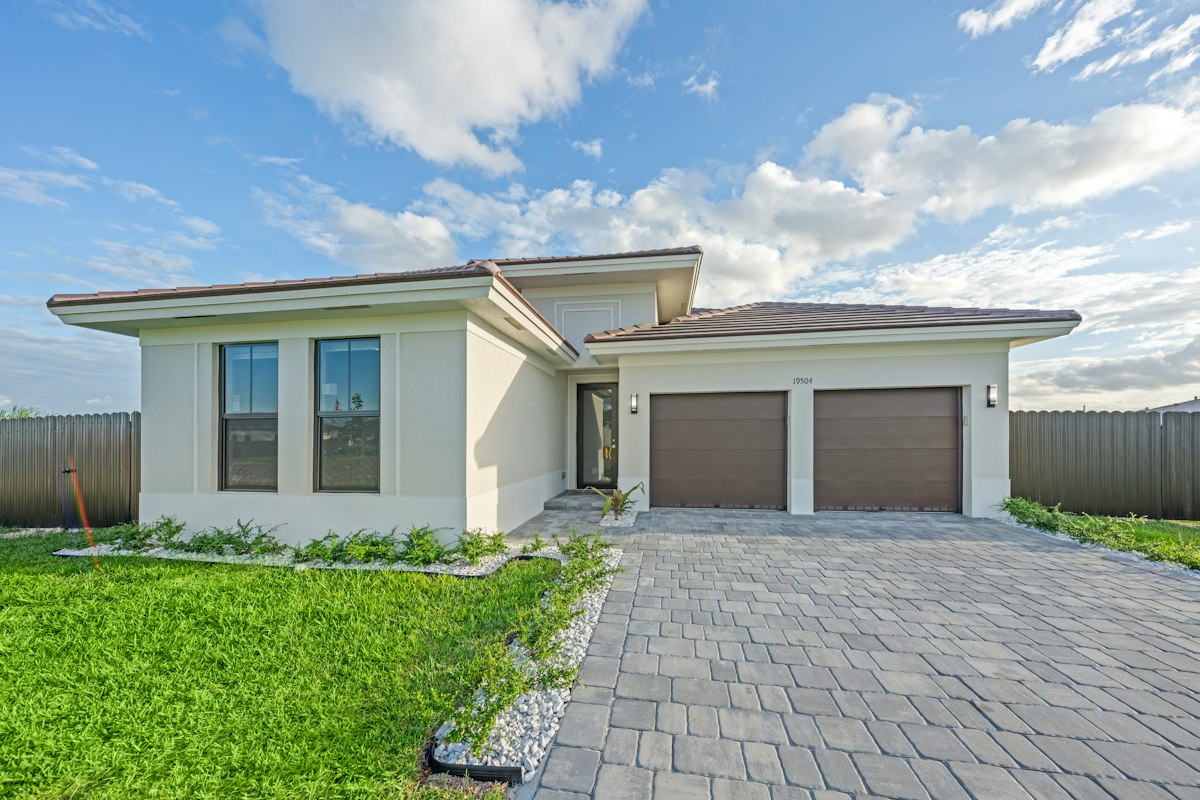
Strategies for Selling Residential Property at Top Market Value
Selling residential property is often the most significant financial transaction you will ever manage. It is a process...
Read more →
Strategic Advantages of Buying a House with Cash: A Complete Overview
Imagine walking into a real estate negotiation without the looming shadow of a mortgage underwriter. For many, buying...
Read more →Finding the Right Retreat: A Comprehensive Look at Cabins for Sale
Searching for cabins for sale often starts as a romantic endeavor. You imagine a quiet morning on a...
Read more →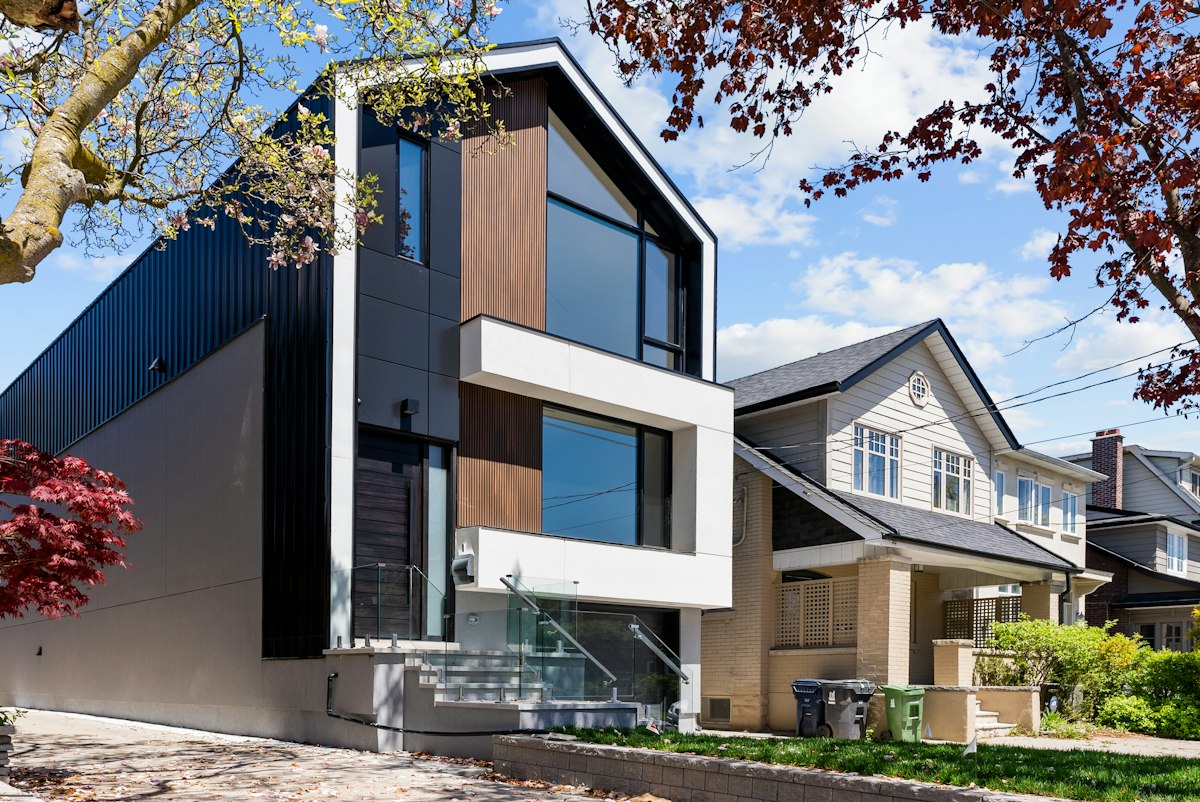
Modern Living and Investment Potential in New Build Developments
Stepping into a property that has never been lived in before offers a unique sense of possibility. For...
Read more →To make informed financial decisions, you need to understand the distinct methodologies professionals use to calculate property values. This article breaks down the core factors that drive residential real estate pricing, compares the primary valuation methods used by appraisers and agents, and outlines practical steps you can take to protect and grow your home equity.
By mastering these valuation principles, you can approach negotiations with confidence, optimize your renovation budgets for the highest return on investment, and successfully challenge unfair tax assessments. Let's explore what truly determines the financial worth of a residential property in today's market.
Key takeaways
- Distinguish between values: Always differentiate between fair market value, appraised value, and assessed value, as each serves a completely different financial purpose.
- Location dictates pricing: Hyper-local factors, including neighborhood inventory, school districts, and proximity to employment hubs, drive the majority of a property's market price.
- Appraisals vs. CMAs: Professional appraisals are legally required for mortgages, whereas Comparative Market Analyses (CMAs) are strategic tools used by agents to set competitive listing prices.
- Smart upgrades win: Minor cosmetic improvements in kitchens and bathrooms consistently yield a higher return on investment than major, highly customized structural renovations.
Understanding the Different Definitions of Property Value
Before analyzing what makes a property appreciate, you must first understand that a single home can have several different values simultaneously. Real estate professionals, tax authorities, and lenders look at properties through different lenses, leading to distinct valuation types.
Fair Market Value
Fair market value is the price that a willing, informed buyer would pay to a willing, informed seller on the open market, assuming neither party is under unusual pressure to act. This figure represents the most realistic selling price under normal market conditions. It is highly sensitive to real-time supply and demand, interest rate fluctuations, and buyer sentiment.
Appraised Value
Appraised value is an objective assessment of a home's worth conducted by a licensed, independent appraiser. Lenders require this appraisal during the mortgage underwriting process to ensure the loan amount does not exceed the home's actual worth. Appraisers follow strict regulatory guidelines and rely heavily on recent sales of highly comparable properties in the immediate area.
Assessed Value
Assessed value is the dollar value assigned to a property by a local municipal tax assessor to calculate annual property taxes. This figure is determined using tax assessment formulas that may only look at historic sales data, neighborhood averages, and basic property characteristics. The assessed value is often significantly lower than the fair market value and does not reflect current real-time market demand.
Key Drivers of Residential Property Value
A residential property does not exist in a vacuum. Its value is shaped by a complex mix of external economic forces, localized trends, and the physical characteristics of the home itself. Understanding these drivers helps you predict how your property's worth might change over time.
Location and Neighborhood Dynamics
You have likely heard the real estate adage "location, location, location." The geographical position of a home is the single most influential factor in its valuation. Proximity to highly rated public schools, major employment centers, public transit, shopping, and dining options will always command a premium. Additionally, the specific position of the home within a neighborhood matters; homes located on quiet cul-de-sacs generally hold more value than those situated on busy thoroughfares.
Property Size, Usable Space, and Layout
While overall square footage is a primary metric, the utility of that space is equally important. A 2,000-square-foot home with a functional four-bedroom, three-bathroom layout will typically hold more value than a home of the exact same size with an awkward layout and only two bedrooms. Buyers look closely at the ratio of bedrooms to bathrooms, the presence of dedicated home offices, and open-concept living areas that suit modern lifestyles.
Age and Structural Condition
The physical condition of the home's major systems plays a massive role in its valuation. A property with a brand-new roof, updated HVAC systems, modern copper plumbing, and updated electrical panels will be valued higher than an identical home requiring immediate capital expenditures. Buyers and appraisers factor the remaining useful life of these expensive components directly into their pricing models.
Current Market Conditions and Interest Rates
Macroeconomic factors heavily dictate buyer purchasing power. When mortgage interest rates are low, borrowing money is affordable, which increases the pool of active buyers and drives property values upward. Conversely, rising interest rates reduce borrowing capacity, cooling buyer demand and stabilizing or depressing home prices. Local inventory levels also play a role; a shortage of available homes creates a seller's market, driving competitive bidding wars.
How Professionals Determine the Value of Residential Property
Real estate experts do not guess when determining a property's worth. They utilize standardized, proven methodologies to arrive at an accurate valuation. Depending on the scenario, they will employ one of three main approaches.
The Sales Comparison Approach
This is the most common method used for residential properties. Appraisers and real estate agents select three to five comparable properties (known as "comps") that have sold recently in the immediate area—usually within a one-mile radius and within the last three to six months. These comps must share similar characteristics, such as square footage, age, layout, and condition.
Because no two homes are identical, the appraiser makes monetary adjustments to the sales prices of the comps to match the subject property. For example, if a comparable home has an extra bathroom valued at $10,000 that the subject property lacks, the appraiser will subtract $10,000 from that comp's sale price to align it with the home being valued.
The Cost Approach
The cost approach is based on the principle of substitution, assuming a buyer would not pay more for an existing property than it would cost to build an equivalent one from scratch. The appraiser estimates the current cost of purchasing the land, adding the construction costs to rebuild the structure with modern materials, and then subtracting physical, functional, and economic depreciation. This method is primarily used for brand-new homes, unique historic properties, or areas with very few recent comparable sales.
The Income Capitalization Approach
While more common in commercial real estate, this approach is used for residential properties purchased specifically as rental investments, such as duplexes, triplexes, or fourplexes. The value is calculated based on the net operating income (NOI) the property generates, divided by a local capitalization rate (cap rate). Investors use this method to determine if the property's income stream justifies the purchase price relative to alternative investment options.
The Cost of Property Valuations: What to Expect
Obtaining an accurate valuation involves different paths depending on your immediate goal. Understanding the costs, fees, and processes of each option prevents unexpected financial surprises during your real estate transaction.
| Valuation Method | Typical Cost Range | Best Used For | Accuracy Level |
|---|---|---|---|
| Automated Valuation Model (AVM) | Free (Online) | Quick equity tracking, casual research | Low to Moderate |
| Comparative Market Analysis (CMA) | Free (from real estate agents) | Setting a listing price, drafting buying offers | Moderate to High |
| Professional Home Appraisal | $350 - $650+ | Mortgage approval, refinancing, estate planning | Very High |
If you are applying for a mortgage or refinancing an existing loan, the lender will choose the appraiser, but you, the borrower, will pay the appraisal fee. This fee is typically collected as part of your closing costs. If you own a unique, luxury, or rural property, the fee may be higher due to the extra travel time and complexity involved in finding suitable comparable sales.
Practical Strategies to Boost Your Property's Market Worth
If you want to maximize the value of your residential property before selling or refinancing, strategic investments can yield excellent returns. Focus on projects that appeal to the broadest pool of buyers rather than highly customized, niche upgrades.
Enhance Curb Appeal
First impressions matter immensely. A potential buyer or appraiser forms an opinion of your home within the first thirty seconds of arrival. Simple, low-cost exterior improvements can yield a massive return. Focus on professional landscaping, pressure washing the driveway and siding, painting the front door, and replacing outdated exterior light fixtures. These small investments make the home look well-maintained from the outset.
Execute Minor Kitchen and Bathroom Refreshes
Kitchens and bathrooms sell homes, but you do not need to undergo a complete, down-to-the-studs remodel to see a bump in value. Minor cosmetic updates often yield a higher percentage return on investment than major overhauls. Consider painting dated wooden cabinets, replacing old countertops with quartz or granite, updating cabinet hardware, and installing modern, water-efficient faucets. These updates give the space a clean, contemporary feel without the premium price tag.
Improve Energy Efficiency
Modern buyers are highly conscious of monthly utility costs. Upgrades that improve your home's energy efficiency not only lower your bills while you live there but also add tangible value. Consider installing a smart thermostat, adding blown-in attic insulation, sealing drafty windows, or upgrading to Energy Star-certified appliances. Highlighting these features during a sale can set your property apart from older, draftier homes in the neighborhood.
Frequently Asked Questions About Residential Property Value
Why does my tax assessment differ from my home's market value?
Tax assessments are conducted by municipal governments solely to distribute local property tax burdens fairly. Assessors use mass appraisal techniques that look at broad neighborhood averages rather than the specific condition, unique upgrades, or interior quality of your individual home. Because of this, tax assessments are often lower and do not reflect what a buyer would pay on the open market.
How do online home value estimators calculate their figures?
Online estimation tools use Automated Valuation Models (AVMs) that analyze publicly available data, such as recent neighborhood sales, county tax records, and user-submitted property details. While useful for a quick snapshot, they cannot evaluate the interior condition of your home, the quality of your finishes, or local factors like street noise, meaning their estimates can be off by significant margins.
Can a messy house lower the appraised value of a property?
Technically, clutter and messiness do not lower an appraisal because appraisers evaluate the structural integrity, square footage, and permanent fixtures of the home. However, extreme clutter can prevent the appraiser from accessing key areas like the attic, crawlspace, or electrical panels, which can delay the process. Furthermore, a highly unkempt home can make it difficult for the appraiser to assess the true condition of flooring and walls, potentially leading to a more conservative valuation.
How long is a professional property appraisal valid?
In most traditional real estate transactions, a professional appraisal is considered valid for 90 to 120 days. Because real estate markets are dynamic and can shift rapidly due to changing interest rates and inventory levels, lenders want to ensure the valuation reflects the most current market realities. If a transaction is delayed significantly, a lender may require an appraisal update or a completely new valuation.
What is the most accurate way to find the value of a residential property?
The most accurate way to find your property's value is to hire a licensed, independent residential appraiser. They will conduct a thorough physical inspection of your home's interior and exterior, measure the spaces accurately, analyze hyper-local market trends, and make precise adjustments against recently sold comparable properties to deliver an unbiased, legally defensible valuation report.
Conclusion
Understanding the value of residential property is not a passive task; it requires an ongoing awareness of both local market trends and the physical condition of your asset. By distinguishing between fair market value, appraised value, and assessed value, you can confidently navigate home sales, refinancing options, and property tax assessments. Armed with this knowledge, you are better equipped to make strategic maintenance decisions, invest in renovations that offer real financial returns, and secure your long-term financial health. When you are ready to take the next step, consulting with a local real estate professional or a licensed appraiser is the best way to get a precise, actionable look at your home's true worth.