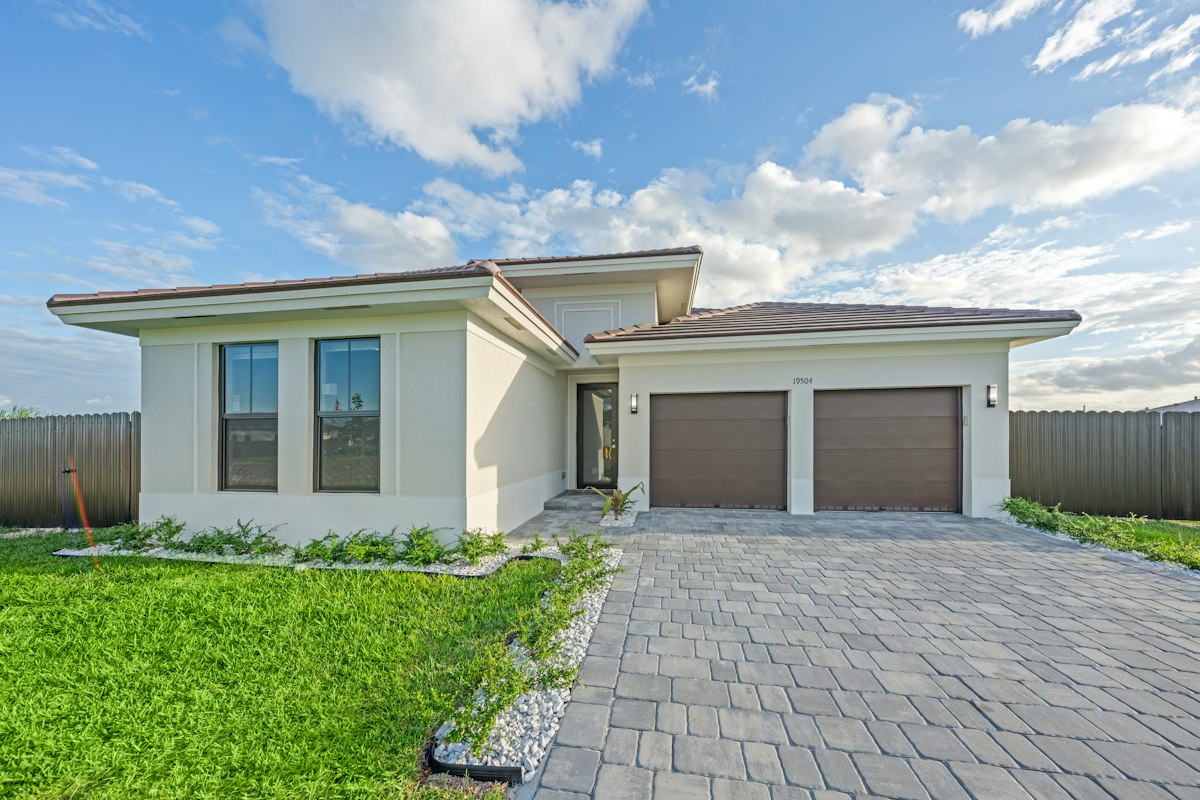
Strategies for Selling Residential Property at Top Market Value
Selling residential property is often the most significant financial transaction you will ever manage. It is a process that blends emotional detachment with calculated business logic. Whether you are looking to upgrade, downsize, or liquidate an investment, the goal remains the same: achieving the highest possible price within a reasonable timeframe. Success in this arena does not happen by accident; it requires a deep understanding of current market dynamics and a proactive approach to property presentation.
Many homeowners approach the sale with a list of improvements they have made over the years, assuming these additions translate directly into a higher asking price. However, the market is indifferent to personal sentiment. It responds to data, comparable sales, and the immediate visual appeal of the home. To win in a competitive environment, you must view your home as a product that needs to be positioned correctly against other available options. How do you ensure your property stands out when buyers are viewing dozens of listings online?
Related posts

Understanding the Value of Residential Property: A Practical Guide for Homeowners and Investors
Determining the exact value of residential property is one of the most important financial steps you will take,...
Read more →
Strategic Advantages of Buying a House with Cash: A Complete Overview
Imagine walking into a real estate negotiation without the looming shadow of a mortgage underwriter. For many, buying...
Read more →Finding the Right Retreat: A Comprehensive Look at Cabins for Sale
Searching for cabins for sale often starts as a romantic endeavor. You imagine a quiet morning on a...
Read more →
Modern Living and Investment Potential in New Build Developments
Stepping into a property that has never been lived in before offers a unique sense of possibility. For...
Read more →This discussion covers the essential components of a successful sale, from the initial valuation to the final closing documents. We will explore how to set a price that attracts serious offers, the importance of professional staging, and how to handle the negotiation phase without leaving money on the table. By the end of this article, you will have a clear framework for managing the complexities of the residential real estate market with confidence.
Key takeaways
- Accurate pricing is the foundation of a fast sale: Overpricing leads to stagnation, while market-aligned pricing creates competitive bidding environments.
- First impressions are non-negotiable: High-quality photography and curb appeal are the primary drivers of physical foot traffic.
- Transparency reduces legal risk: Full disclosure of property conditions prevents deals from falling through during the inspection phase.
- Professional representation adds value: Experienced agents provide access to wider networks and possess the negotiation skills needed to bridge price gaps.
Understanding Current Market Conditions
Before putting a sign in the yard, you must assess the temperature of the local market. Is it a buyer's market or a seller's market? In a seller's market, inventory is low, and demand is high, often leading to multiple offers and sales above the asking price. Conversely, a buyer's market features high inventory and fewer active purchasers, requiring sellers to be more flexible with pricing and concessions.
You should analyze the "Days on Market" (DOM) for similar properties in your neighborhood. If homes are selling within two weeks, the market is hot. If they are sitting for sixty days or more, you need to be prepared for a longer process or a more aggressive pricing strategy. Do not rely solely on national news trends; real estate is hyper-local. A boom in a neighboring city doesn't necessarily mean your specific street is experiencing the same demand.
The Role of Interest Rates
Interest rates significantly impact buyer purchasing power. When rates rise, the monthly mortgage payment for a buyer increases, which may force them to look at lower-priced homes. As a seller, you must be aware of these macroeconomic shifts. If rates have recently spiked, the pool of eligible buyers for your property might have shrunk, making your initial listing price even more significant to get right the first time.
Setting the Right Price
The most common mistake when selling residential property is setting an unrealistic price based on need rather than market reality. If you need a certain amount of profit to buy your next home, that does not mean the market will provide it. A Comparative Market Analysis (CMA) is the standard tool used to determine value. It looks at recently sold properties that are similar in square footage, age, and condition within a small geographic radius.
Avoid the temptation to list high with the intention of "seeing what happens." In the digital era, the most activity occurs in the first two weeks of a listing. If the price is too high, experienced buyers and their agents will ignore the property, and it will quickly become "stale." Once a property has been on the market for a long time, buyers begin to wonder what is wrong with it, often leading to low-ball offers later on.
Psychological Pricing Tactics
Consider using "charm pricing" or bracket pricing. If your home is worth approximately $500,000, listing it at $499,000 keeps it visible to buyers who have set their search filters to a maximum of $500,000. If you list at $505,000, you miss that entire segment of the market. Small adjustments in the listing price can significantly increase the number of eyes on your property.
Maximizing Property Appeal Through Staging
You are not selling your home; you are selling a lifestyle. Buyers need to be able to visualize themselves living in the space. This is difficult to do if the house is filled with personal photos, eclectic decor, or cluttered rooms. Professional staging involves decluttering, neutralizing color palettes, and arranging furniture to emphasize the flow and size of each room.
Curb appeal is the first thing a buyer sees. Simple tasks like pressure washing the driveway, painting the front door, and ensuring the landscaping is manicured can add thousands to the perceived value. If the exterior looks neglected, buyers will assume the interior and mechanical systems have been neglected as well. Are there small repairs you have been putting off? Fix them now, as they will surely appear on a home inspection report later.
The Power of Professional Photography
In the modern market, the first showing happens on a smartphone screen. If your photos are dark, blurry, or taken with a wide-angle lens that distorts the rooms, buyers will swipe past. Professional real estate photographers understand how to use natural light and specific angles to make a space look inviting. Investing a few hundred dollars in high-end imagery and perhaps a 3D virtual tour is one of the highest-ROI activities you can undertake when selling residential property.
Marketing and Exposure Strategies
Simply placing a listing on the Multiple Listing Service (MLS) is the bare minimum. A robust marketing strategy involves a multi-channel approach. This includes social media promotion, targeted email blasts to local buyer agents, and high-quality physical brochures for those who visit the property. The goal is to create a sense of urgency and broad awareness.
Open houses can be effective, though their primary benefit is often for the agent to meet new clients. However, they do provide a low-pressure way for "lookers" who might become buyers to see the home. More importantly, a well-timed open house can create a "crowd effect," where multiple interested parties see each other viewing the home at the same time, potentially sparking a sense of competition.
Managing Offers and Negotiations
Receiving an offer is an exciting milestone, but the highest price isn't always the best offer. You must evaluate the terms and contingencies. A cash offer is often more desirable than a higher-priced offer that is contingent on the buyer selling their own home first. Look at the earnest money deposit—a larger deposit shows the buyer is serious and has skin in the game.
When negotiating, keep your goals in mind. Is a quick closing more important than an extra $5,000? Are you willing to pay for certain repairs found during the inspection? Effective negotiation is about finding a win-win scenario where both parties feel they are getting a fair deal. Avoid getting defensive if a buyer asks for a credit; treat it as a business decision rather than a personal slight.
The Importance of Buyer Pre-Approval
Never accept an offer from a buyer who hasn't provided a pre-approval letter from a reputable lender. A pre-qualification is not enough; a pre-approval means the lender has already verified their income, assets, and credit history. This reduces the risk of the deal falling through at the last minute due to financing issues, which is one of the most common reasons residential sales fail.
Legal Disclosures and Closing
Every jurisdiction has specific laws regarding property disclosures. Generally, you are required to disclose any known material defects that could affect the value or safety of the home. This includes past water damage, structural issues, or environmental hazards like lead paint or radon. Being upfront about these issues is better than having the buyer discover them during an inspection or, worse, suing you after the sale is complete.
The closing process involves a mountain of paperwork, title searches, and the transfer of funds. In many regions, an escrow company or a real estate attorney handles these details. Ensure you have all your documents ready, including the deed, recent tax bills, and manuals for appliances that are staying with the home. Once the papers are signed and the deed is recorded, the keys are handed over, and the sale is officially complete.
Frequently Asked Questions
How long does it typically take to sell a residential property?
The timeframe varies based on market conditions, but on average, it takes between 30 and 90 days from listing to closing. The first few weeks are for marketing and receiving offers, followed by a 30-to-45-day period for the buyer's inspections, appraisal, and loan processing.
Do I have to pay taxes on the profit from my home sale?
In many cases, you can exclude a significant portion of the capital gains from your primary residence. In the United States, for example, individuals can often exclude up to $250,000 (or $500,000 for married couples) of profit if they have lived in the home for at least two of the last five years. Always consult with a tax professional for your specific situation.
Is it worth making major renovations before selling?
Rarely do major renovations like a full kitchen remodel or adding a pool return 100% of their cost in the sale price. It is usually better to focus on minor cosmetic updates—fresh paint, new light fixtures, and basic landscaping—which provide a much higher return on investment and make the home feel move-in ready.
What are the typical costs associated with selling a home?
Sellers are generally responsible for the real estate commission (often 5-6% of the sale price), title insurance, transfer taxes, and their portion of the property taxes. You should also budget for potential repair credits requested by the buyer and moving expenses. Total closing costs for a seller often range from 7% to 10% of the sale price.
Can I sell my property "as-is"?
Yes, you can list a property "as-is," meaning you will not make any repairs or offer credits for defects. However, this often attracts investors looking for a discount or buyers with lower budgets. An "as-is" sale typically results in a lower final price than a home that has been well-maintained and prepared for the market.
Conclusion
Selling residential property is a multifaceted endeavor that requires preparation, market awareness, and a strategic mindset. By focusing on accurate pricing, impeccable presentation, and transparent communication, you position yourself for a smooth transaction and a profitable outcome. Remember that the market is always shifting; staying flexible and responsive to feedback from potential buyers is essential. Whether you choose to work with a professional agent or handle the sale yourself, approaching the process with a clear plan will help you reach your goals and move on to your next chapter with ease.