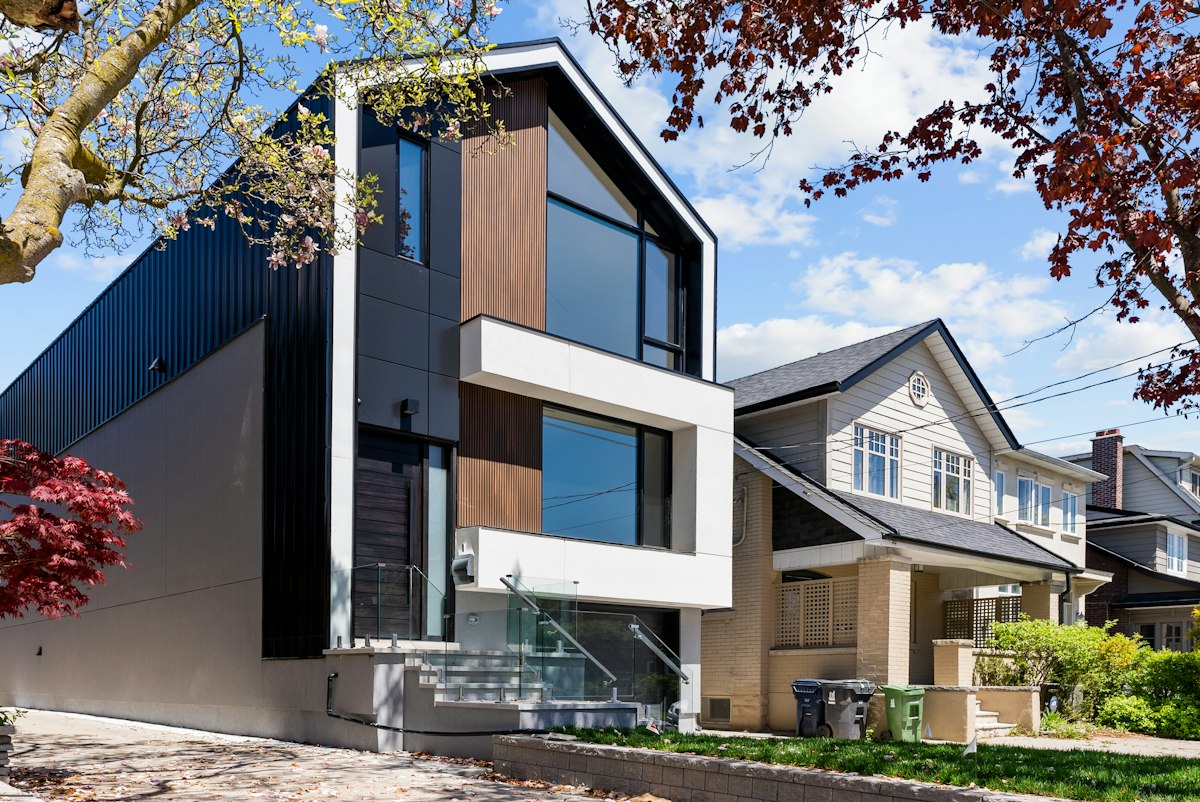
Modern Living and Investment Potential in New Build Developments
Stepping into a property that has never been lived in before offers a unique sense of possibility. For many homebuyers, the search for a new home eventually leads to the doorstep of new build developments, where the appeal of modern architecture meets the latest in energy-saving technology. The decision to purchase a fresh construction involves more than just picking out kitchen tiles; it is a strategic move that balances lifestyle preferences with long-term financial planning.
In the current housing market, these developments are becoming increasingly popular for their ability to provide a blank canvas. Unlike older properties that often come with a history of DIY mishaps or hidden structural issues, a new build offers a standardized level of quality backed by modern regulations. This article explores the nuances of the new build market, examining why these properties are attracting a diverse range of buyers from first-time homeowners to seasoned investors.
Related posts
Strategies for Selling Residential Property at Top Market Value
Selling residential property is often the most significant financial transaction you will ever manage. It is a process...
Read more →
Understanding the Value of Residential Property: A Practical Guide for Homeowners and Investors
Determining the exact value of residential property is one of the most important financial steps you will take,...
Read more →
Strategic Advantages of Buying a House with Cash: A Complete Overview
Imagine walking into a real estate negotiation without the looming shadow of a mortgage underwriter. For many, buying...
Read more →Finding the Right Retreat: A Comprehensive Look at Cabins for Sale
Searching for cabins for sale often starts as a romantic endeavor. You imagine a quiet morning on a...
Read more →Understanding the landscape of new build developments requires a look at everything from the initial reservation fee to the final snagging list. We will cover the practicalities of buying off-plan, the reality of energy efficiency ratings, and the structural protections that come as standard. By the end of this discussion, you will have a clearer picture of whether a contemporary development aligns with your property goals and what to expect during the acquisition process.
Whether you are drawn to the sleek lines of an urban apartment complex or the community feel of a suburban housing estate, the fundamentals of a good investment remain the same. It is about identifying value, assessing the reputation of the developer, and understanding the local infrastructure that supports the site. Let's break down the core components that define the modern new build experience.
Key takeaways
- Energy Efficiency: Most new builds achieve high EPC ratings, significantly reducing monthly utility bills compared to period properties.
- Warranty Protection: Properties typically come with a 10-year structural warranty, such as those provided by the NHBC, offering peace of mind against major defects.
- No Property Chain: Since you are the first owner, there is no upward chain, which can simplify the closing process and reduce the risk of the deal falling through.
- Modern Specifications: Expect contemporary layouts, integrated smart home technology, and the ability to customize finishes if purchasing early in the construction phase.
The Evolution of Modern Housing Standards
The construction industry has undergone a significant transformation over the last decade. Modern new build developments are no longer just about maximizing the number of units on a plot of land; they are increasingly focused on creating sustainable, livable environments. This shift is driven by both consumer demand and stricter government regulations regarding building materials and carbon footprints.
Today, developers must adhere to rigorous standards for insulation, ventilation, and soundproofing. This results in homes that are not only quieter but also much easier to keep warm. The integration of high-performance double or triple glazing and efficient heating systems means that the "draughty house" narrative is largely a thing of the past for those moving into a new development.
Why Buyers are Prioritizing New Build Developments
One of the primary drivers for choosing a new build is the lack of immediate maintenance. When you buy a Victorian terrace or a mid-century semi, you are often inheriting a list of repairs that could span years. With a new build, the roof, the boiler, and the windows are all brand new. This allows homeowners to allocate their budget toward furniture and landscaping rather than emergency plumbing or structural reinforcement.
Energy Efficiency and Sustainability
In an era of rising energy costs, the thermal performance of a home is a top priority. New build developments are designed with a fabric-first approach, meaning the very walls and floors are built to retain heat. Many sites now incorporate renewable energy sources, such as air-source heat pumps or solar panels, right from the start. This not only lowers the carbon footprint of the household but also makes the property more attractive for future resale as buyers become more eco-conscious.
Customization and Personalization
If you enter the buying process early enough, many developers offer a choice of internal finishes. This might include the style of kitchen cabinetry, the type of flooring in the hallway, or the color of the bathroom tiles. This level of personalization is a major draw for those who want a home that reflects their taste without the stress of a post-purchase renovation. It effectively allows you to skip the "renovation phase" and move straight into a finished product.
The Financial Incentives and Considerations
The financial structure of buying a new build can differ from the traditional market. Developers often offer incentives to secure sales, particularly during the early stages of a project or when they are looking to close out a final phase. These can include contributions toward stamp duty, paid legal fees, or even furniture packages. While these are attractive, it is important to assess the base price of the property to ensure it reflects fair market value.
Mortgage lenders also view new builds slightly differently. Some banks offer "green mortgages" with lower interest rates for properties with high energy efficiency ratings. However, be aware that some lenders require a larger deposit for new build flats compared to houses. Always consult with a mortgage advisor who specializes in new construction to understand the specific lending criteria that might apply to your situation.
Understanding the Buying Process
The journey toward owning a new build often starts in a marketing suite rather than inside the actual house. This requires a bit of imagination and a careful study of floor plans and site maps. The process is typically faster-paced than the secondary market, with developers often requiring an exchange of contracts within 28 days of reservation.
Reservation and Exchange
Once you find a plot you like, you will pay a reservation fee to take the property off the market. This fee is usually deducted from the final purchase price. Following this, your legal representative will conduct searches and review the contract. Because there is no upward chain, the timeline is often dictated by the developer's construction schedule rather than another seller's move-out date.
Buying Off-Plan
Buying off-plan means committing to a property before it is finished. This can be advantageous in a rising market, as the property may increase in value between the time you exchange contracts and the day you move in. The risk, however, is that construction timelines can shift. Always check the "long-stop date" in your contract, which is a completion guarantee that allows you to walk away with your deposit if the developer fails to finish the build by a certain time.
Potential Risks and How to Manage Them
No property purchase is entirely without risk. With new build developments, the most common concerns revolve around the "new build premium" and the quality of the finish. Some buyers find that their home is worth slightly less in the first year or two of ownership, similar to how a new car depreciates once it leaves the lot. This is usually only a concern if you plan to sell shortly after moving in.
The Snagging Process
A "snag" is a minor defect or unfinished item in a new home, such as a door that doesn't close properly or a scratch on a window pane. While developers aim for perfection, the reality of high-volume construction means snags are common. It is highly recommended to hire a professional snagging inspector before or just after you move in. They will produce a detailed report that you can hand to the developer to rectify under your two-year builder warranty.
Infrastructure and Community
When buying into a large development, you are also buying into a new community. It is worth investigating what the developer has committed to in terms of local infrastructure. Will there be new schools, parks, or shops? Check the Section 106 agreements, which are legal obligations for the developer to contribute to the local area. A development that is well-integrated into its surroundings will hold its value much better than one that feels isolated.
Evaluating the Developer's Reputation
Not all developers are created equal. Before committing to a purchase, do your homework on the company behind the build. Look for their track record on previous sites and read reviews from current residents. A developer who is transparent about their building process and has a strong aftercare department is worth their weight in gold. You can also check the Home Builders Federation (HBF) star ratings, which are based on customer satisfaction surveys.
Frequently Asked Questions
Can I negotiate the price of a new build property?
Yes, price negotiation is possible, though it often depends on the stage of the development. If a developer is close to their year-end or has only a few units left, they may be more flexible. If they won't budge on the asking price, try negotiating for extras like upgraded flooring, integrated appliances, or a contribution toward your moving costs.
What is a structural warranty and what does it cover?
A structural warranty, typically lasting 10 years, covers major defects in the design, workmanship, or materials of the home's structure. For the first two years, the builder is responsible for fixing any defects. From years three to ten, the policy usually covers major structural issues like foundation failure or roof defects. It does not cover general wear and tear or minor cosmetic issues.
How long does it take to move into a new build?
The timeline varies significantly. If the house is already finished, you could move in within six to eight weeks. If you are buying off-plan, it could be six months to a year, depending on the construction stage. Always stay in close contact with the site manager for updates on the build progress and potential delays.
Are new build homes a good investment for landlords?
Many landlords find new builds attractive because they meet all current rental safety regulations and are highly appealing to tenants who want modern amenities and low energy bills. The reduced maintenance requirements also mean fewer emergency call-outs. However, landlords must calculate the yield carefully, ensuring the rent covers the mortgage and any service charges associated with the development.
What happens if the developer goes bust before my home is finished?
Most reputable developers are covered by a scheme like the NHBC Buildmark, which protects your deposit if the firm becomes insolvent before completion. Always ensure your solicitor confirms that such protection is in place before you exchange contracts and pay your deposit.
Conclusion
New build developments represent a significant portion of the modern housing market, offering a blend of efficiency, security, and contemporary design. While the process of buying a new home differs from the traditional route, the benefits of a chain-free purchase and a 10-year warranty are hard to ignore. By performing thorough due diligence on the developer, understanding the financial incentives, and being diligent with the snagging process, you can secure a property that serves as both a comfortable sanctuary and a sound financial asset. Whether you are looking for your first home or your next investment, the fresh start offered by a new development is a compelling option in today's evolving property landscape.