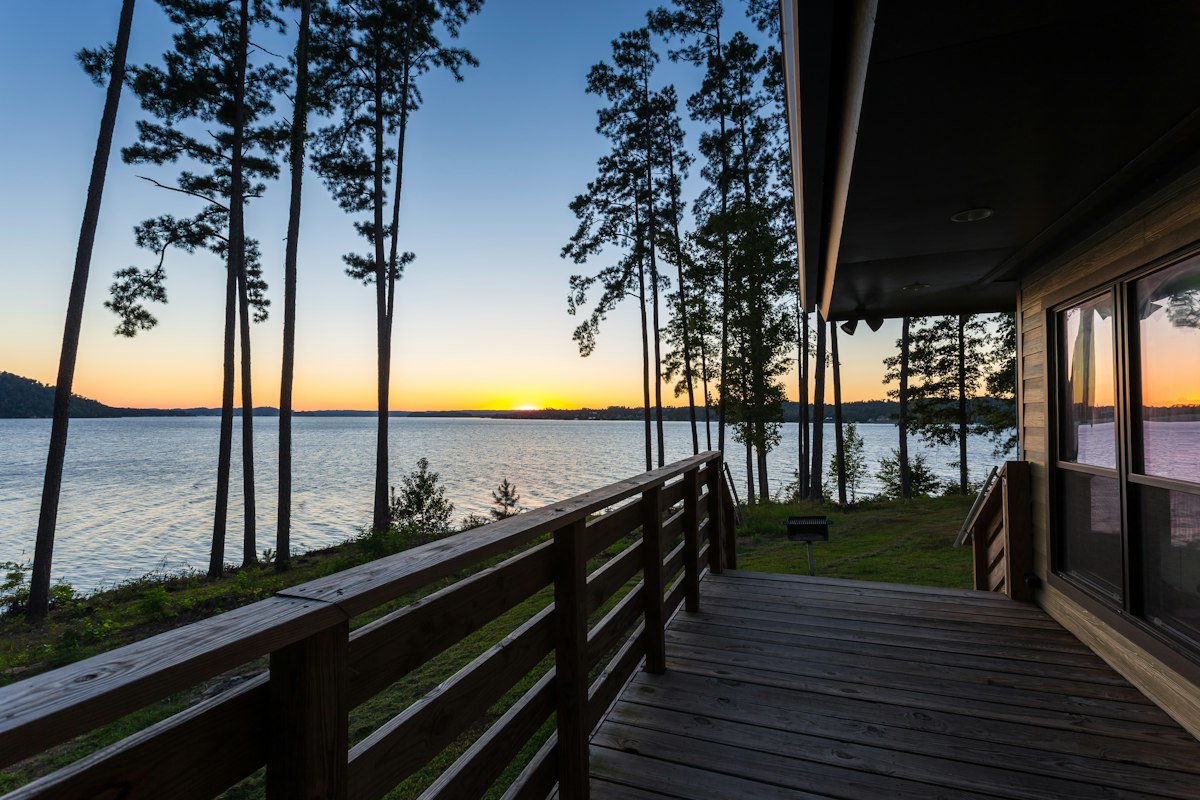
Finding Your Perfect Retreat: A Practical Look at Holiday Homes for Sale
Owning a second home is a dream that often starts with a single, idyllic weekend away. You find yourself sitting on a deck, looking at a view you love, and thinking about how much better life would be if you didn't have to pack up and leave on Sunday afternoon. The search for holiday homes for sale usually begins with this desire for freedom and a permanent escape from the daily grind. However, moving from a casual browser to a confident owner requires a shift in perspective from vacationer to property manager.
The market for secondary residences has shifted significantly over the last few years. While some buyers are looking for a private sanctuary strictly for family use, others are eyeing the lucrative potential of short-term rentals. This article explores the realities of purchasing a vacation property, covering everything from the different types of homes available to the ongoing costs that many first-time buyers overlook. We will look at how to choose the right location, how to weigh up the financial implications, and how to ensure your investment serves your lifestyle goals.
Related posts
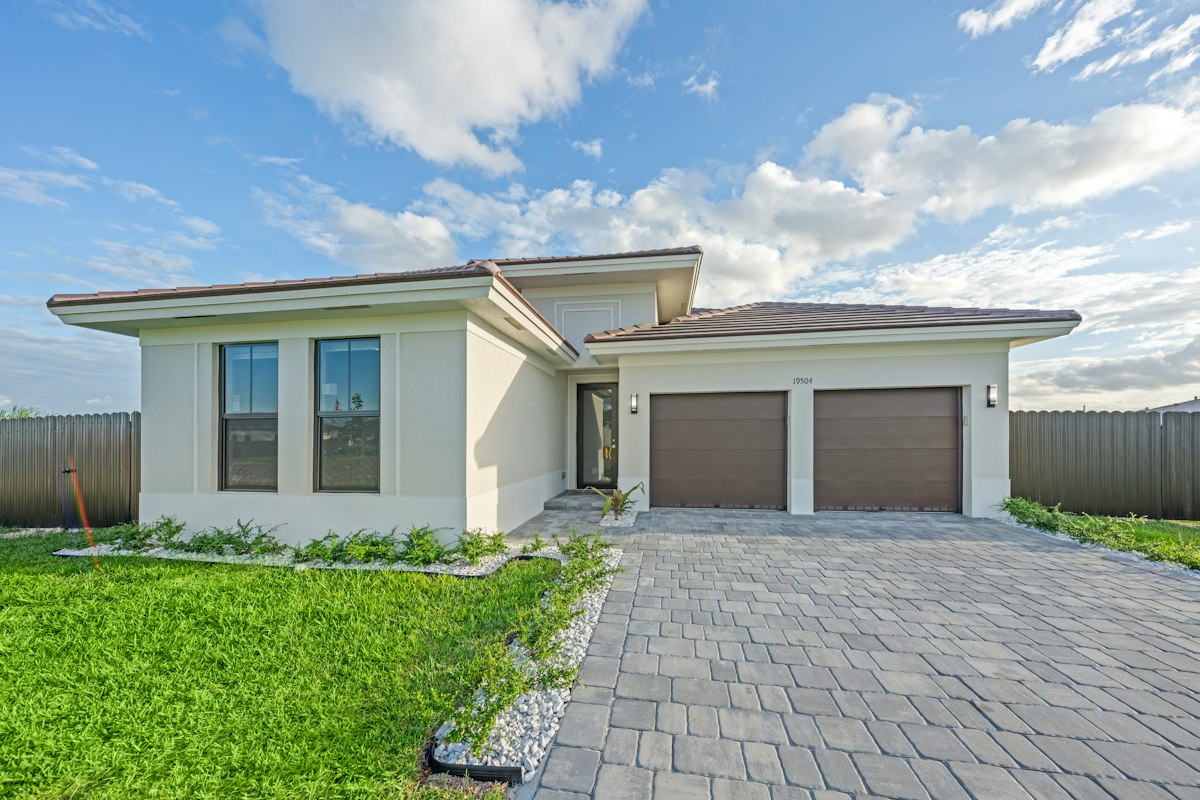
Strategies for Selling Residential Property at Top Market Value
Selling residential property is often the most significant financial transaction you will ever manage. It is a process...
Read more →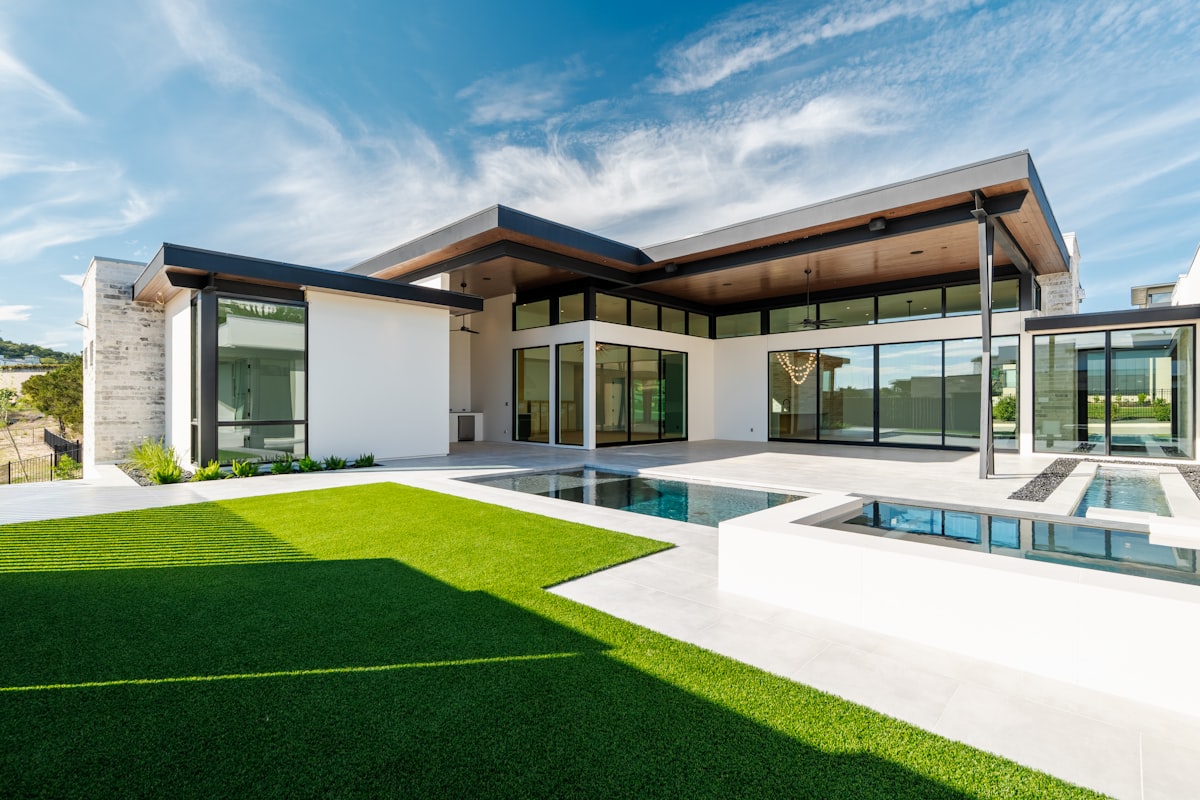
Understanding the Value of Residential Property: A Practical Guide for Homeowners and Investors
Determining the exact value of residential property is one of the most important financial steps you will take,...
Read more →
Strategic Advantages of Buying a House with Cash: A Complete Overview
Imagine walking into a real estate negotiation without the looming shadow of a mortgage underwriter. For many, buying...
Read more →Finding the Right Retreat: A Comprehensive Look at Cabins for Sale
Searching for cabins for sale often starts as a romantic endeavor. You imagine a quiet morning on a...
Read more →Buying a property is never just about the bricks and mortar, or in the case of some holiday homes, the timber and glass. It is about the community, the local regulations, and the long-term viability of the area. Whether you are interested in a coastal cottage, a mountain lodge, or a luxury static caravan, understanding the nuances of the market is the best way to avoid buyer's remorse. We will break down the decision-making process to help you find a property that brings both joy and value.
Key takeaways
- Prioritize Location Over Aesthetics: A beautiful home in a hard-to-reach or unpopular area will struggle with resale value and rental demand.
- Account for All Hidden Costs: Beyond the purchase price, you must budget for site fees, specialized insurance, maintenance, and potential management commissions.
- Understand Usage Restrictions: Many holiday parks and developments have specific rules regarding how many months of the year you can occupy the property.
- Evaluate Rental Potential Early: If you plan to let the property out, research local occupancy rates and seasonal demand before making an offer.
Defining Your Goals: Lifestyle vs. Investment
Before you start scrolling through listings of holiday homes for sale, you need to be honest about why you are buying. Are you looking for a place where your family can create memories for the next twenty years, or are you looking for a high-yield asset that happens to be in a nice location? While it is possible to achieve both, there is often a trade-off. A property tailored for maximum rental income might be located in a high-traffic tourist hub that feels less than relaxing during the peak season.
If lifestyle is your primary driver, focus on the "two-hour rule." Many successful owners find that if a holiday home is more than a two-hour drive from their primary residence, they use it far less often than they planned. Spontaneous weekend trips become chores when they involve six hours in traffic. On the other hand, if investment is the goal, you should look at data rather than your personal preferences. Look for areas with high year-round appeal, such as those near national parks or major coastal attractions, rather than just a quiet spot you happen to like.
The Different Types of Holiday Homes for Sale
The term "holiday home" covers a broad spectrum of property types, each with its own set of pros and cons. Understanding these differences is the first step in narrowing down your search. The right choice depends on your budget, how much maintenance you want to perform, and whether you want to own the land the property sits on.
Traditional Bricks and Mortar Cottages
These are often the most desirable but also the most expensive. Buying a freehold cottage means you own the building and the land. These properties tend to appreciate in value similarly to residential homes and offer the most freedom in terms of renovations. However, they also come with the highest maintenance requirements. If a pipe bursts in January and you are three hours away, you need a reliable local contact to handle the emergency.
Luxury Lodges and Static Caravans
This segment of the market has seen a massive upgrade in quality recently. Modern lodges often feature open-plan living, high-end kitchens, and even hot tubs. These are typically located on managed parks. The benefit here is the community and the amenities, such as swimming pools, security, and grounds maintenance. The downside is that you usually do not own the land; instead, you have a license to station your home there for a set number of years. You will also be subject to annual site fees, which can be substantial.
Apartments in Managed Complexes
For those who want a "lock-up and leave" lifestyle, apartments are an excellent choice. Often located in popular seaside towns or near ski resorts, these units are usually part of a larger complex where a management company handles exterior maintenance and security. While you will pay a service charge, the peace of mind that comes with professional management is often worth the cost for those who don't want to spend their holidays doing yard work.
Calculating the Real Cost of Ownership
The sticker price of holiday homes for sale is just the beginning. To avoid financial strain, you must build a comprehensive budget that includes all recurring expenses. It is easy to get swept up in the excitement of a purchase and forget that a second home is a significant ongoing financial commitment.
Site Fees and Ground Rent: If you are buying a lodge or caravan on a park, site fees are your biggest annual expense. These cover the use of the land, park maintenance, and amenities. These fees can range from a few thousand to over ten thousand per year, depending on the exclusivity of the location. Always ask about the history of fee increases before signing a contract.
Insurance and Utilities: Specialized holiday home insurance is necessary, especially if you plan to let the property to guests. This covers public liability and periods where the property might be unoccupied. Utilities can also be higher than expected, particularly if the property uses bottled gas or has electric heating systems that are less efficient than modern residential setups.
Maintenance and Management: Who will mow the lawn, clean the gutters, or change the lightbulbs? If you aren't doing it yourself, you'll need to hire a local caretaker. If you are renting the property out, a management agency will typically take between 15% and 25% of your rental income in exchange for handling bookings, cleaning, and guest communication.
Location Strategy: Beyond the View
When looking at holiday homes for sale, the view from the window is often what seals the deal. But a great view doesn't necessarily make a great location. You need to look at the surrounding infrastructure. Is there a grocery store nearby? Are the local pubs and restaurants open year-round, or do they shut down in the winter? A "ghost town" vibe in the off-season can make your winter retreats feel isolating rather than cozy.
Accessibility is another major factor. Consider the ease of parking, especially in historic coastal villages where streets are narrow. If you are buying for rental potential, proximity to major transport links or popular tourist landmarks is a must. Guests rarely want to spend their precious holiday time navigating complicated backroads or being miles away from the beach they came to see.
The Legalities of Holiday Home Ownership
The legal framework for buying a holiday home can differ from buying a standard residential property. One of the most important distinctions is the "holiday use only" clause found in many park licenses and even some local planning permissions. This means you cannot use the property as your primary residence or register to vote from that address. Most parks require proof of a permanent home elsewhere.
If you are buying a freehold or leasehold property, you should also investigate local council tax rules. Some areas charge a premium on second homes to encourage local occupancy. Conversely, if you run the property as a commercial holiday let, you might be eligible for small business rate relief instead of council tax, provided you meet specific occupancy requirements (such as being available for let for 210 days and actually let for 105 days per year).
Maximizing Your Rental Yield
If you need the property to pay for itself, you have to treat it like a business. This starts with the interior design. While you might love your collection of vintage porcelain, a rental property should be durable, stylish, and easy to clean. High-quality photos are non-negotiable; in the world of online bookings, your first image is your only chance to make an impression.
Consider the "extras" that drive bookings. In the current market, high-speed Wi-Fi is no longer a luxury; it is a requirement. Features like a wood-burning stove for winter bookings or a secure garden for dog owners can significantly increase your occupancy rates during the shoulder seasons. Don't forget to check the local competition. If every other house on the street allows pets and you don't, you are immediately cutting out a large portion of the market.
What to Look for During a Viewing
When you visit holiday homes for sale, it is easy to get distracted by the decor or the sunny weather. You need to look past the staging. Check for signs of dampness, especially in coastal properties where sea air can be harsh on buildings. Look at the condition of the windows and the roof. If the property is on a park, walk around the entire site. Are the communal areas well-maintained? Is there a lot of noise from a nearby road or a busy clubhouse?
Ask the current owners or the agent for a detailed breakdown of the last two years of running costs. If they have been renting it out, ask to see the booking history. This data is far more valuable than a "potential" income figure quoted by a salesperson. Also, check the mobile signal and internet speed while you are there. In our connected world, a total lack of signal can be a dealbreaker for many buyers and renters alike.
The Importance of Professional Advice
Because of the complexities involved in site licenses, tax implications, and specialized insurance, it is wise to consult with professionals who understand the holiday home market. A solicitor who specializes in park home law is better than a general conveyancer if you are buying a lodge. Similarly, an accountant can help you understand the tax benefits of a Furnished Holiday Let (FHL) and how to structure your purchase to be as tax-efficient as possible.
Don't rush the process. The right property will still be there, or another one just like it will appear. The holiday home market often moves in cycles, with more properties becoming available at the end of the summer season as owners decide they don't want to pay another year of fees. Patience often leads to better negotiations and a property that truly fits your needs.
FAQs
Can I live in a holiday home permanently?
Generally, no. Most holiday homes for sale on parks come with a license that specifies they are for seasonal use only. Living in one year-round would likely breach the park's planning permission and your agreement with the site owner. Even for bricks-and-mortar homes, some have restrictive covenants that prevent them from being a primary residence.
What are the typical annual site fees for a lodge?
Site fees vary wildly depending on the location and the facilities offered. You can expect to pay anywhere from £3,000 to £12,000 per year. These fees usually cover grounds maintenance, security, and use of park amenities, but they rarely include utilities or local taxes.
Is a holiday home a good financial investment?
A holiday home should be viewed primarily as a lifestyle investment. While some properties appreciate in value and others generate significant rental income, the costs of ownership are high. If your goal is purely capital growth, other investment vehicles might be more efficient, but they won't provide a place for your family to vacation.
Do I need a special mortgage for a holiday home?
Yes, standard residential mortgages usually do not cover second homes or holiday lets. You will likely need a "holiday let mortgage," which often requires a larger deposit (typically 25% or more) and has different criteria for interest coverage based on projected rental income.
What happens if the holiday park changes ownership?
Your rights are usually protected by the written agreement you sign when you purchase the home. However, a new owner might change the park's rules or increase site fees. It is essential to have your contract reviewed by a legal professional to understand your protections regarding lease renewals and fee structures.
Conclusion
Navigating the world of holiday homes for sale is an exercise in balancing emotion with logic. The dream of a coastal escape or a rural retreat is powerful, but the most successful owners are those who treat the purchase with the same scrutiny as any other major investment. By understanding the different types of ownership, budgeting for the true cost of maintenance, and choosing a location that offers long-term appeal, you can ensure that your holiday home remains a source of relaxation rather than stress. Take your time, do your homework, and soon you could be turning that weekend dream into a permanent reality.